Understanding the Versatility of IBC Tanks
Intermediate Bulk Containers, commonly known as IBC tanks, are a crucial component in the logistics and transportation industries, offering efficient solutions for storing and transporting liquids and bulk materials.
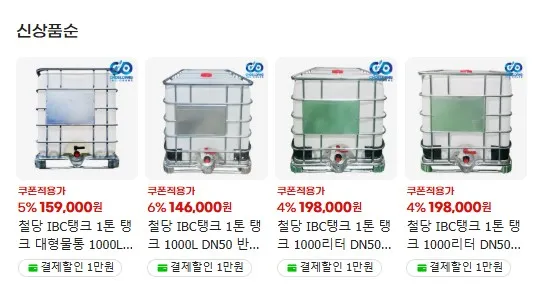
The term “ibc” often brings to mind the image of a robust, cube-shaped container that provides the perfect balance between capacity and space efficiency. These containers are widely used across various industries due to their durability, reusability, and cost-effectiveness.
What is an IBC Tank?
An IBC tank is a type of industrial container designed for the handling, storage, and transportation of bulk liquids and granulated substances. Unlike traditional barrels, IBC tanks offer a larger capacity, typically ranging from 275 to 330 gallons, making them ideal for a wide range of applications.
The structural integrity and design of IBC tanks make them suitable for storing chemicals, pharmaceuticals, food ingredients, and more. The tanks are usually made from high-density polyethylene (HDPE) and are often housed within a protective steel cage for added durability.
Advantages of Using IBC Tanks
The use of IBC tanks provides numerous benefits, making them an attractive option for businesses looking to optimize their storage and transportation processes. Here are some key advantages:
- Space Efficiency: IBC tanks are designed to maximize storage space, allowing for the storage of larger volumes of materials in a compact footprint.
- Versatility: These containers are versatile and can be used for a wide variety of substances, including hazardous materials, making them an ideal choice for many industries.
- Cost-Effectiveness: The reusability of IBC tanks contributes to cost savings over time, reducing the need for single-use containers and minimizing waste.
Applications of IBC Tanks
IBC tanks are employed in various sectors, each with unique demands and requirements. Here’s a look at some of the primary applications:
| Industry | Common Uses |
|---|---|
| Food and Beverage | Storage of edible oils, syrups, and other liquid ingredients. |
| Chemical | Transportation of acids, solvents, and other chemical substances. |
| Pharmaceutical | Safe storage of pharmaceutical ingredients and liquid medicines. |
Choosing the Right IBC Tank
Selecting the appropriate IBC tank for your needs involves considering several factors, such as the nature of the material you intend to store, the conditions of storage, and regulatory requirements. It is essential to ensure that the tank is compatible with the material to prevent contamination or degradation.
Additionally, consider the tank’s structural design, including its cage and valve system, to ensure it meets the demands of your specific application. Consulting with industry experts can provide valuable insights and help you make an informed decision.
Conclusion
In conclusion, IBC tanks offer a reliable, efficient, and cost-effective solution for the storage and transportation of bulk materials. Their versatility and robust design make them an indispensable asset in many industries. Whether you’re in the food and beverage, chemical, or pharmaceutical industry, investing in quality IBC tanks can significantly enhance your operational efficiency.
Take your logistics and storage solutions to the next level by exploring the diverse range of IBC tanks available in the market. Consider your specific needs and consult with experts to find the perfect IBC tank for your business.